Reusable ETL Components: Build Faster, Break Less
Short answer: reusable ETL components are one of the fastest ways to improve consistency and delivery speed in data integration. Build a component once, test it properly, then reuse it everywhere it fits. If you want to do this with visual workflows and no custom framework overhead, start with Advanced ETL Processor Enterprise.
What reusable ETL components are in practice
Think of them as stable building blocks: source connectors, validation rules, transformation steps, error handlers, and load patterns that you can drop into many pipelines. Same behavior, same logging, same quality checks.
Nine times out of ten, teams do not fail because they lack features. They fail because they keep rebuilding the same pipeline logic with tiny differences and accidental bugs.
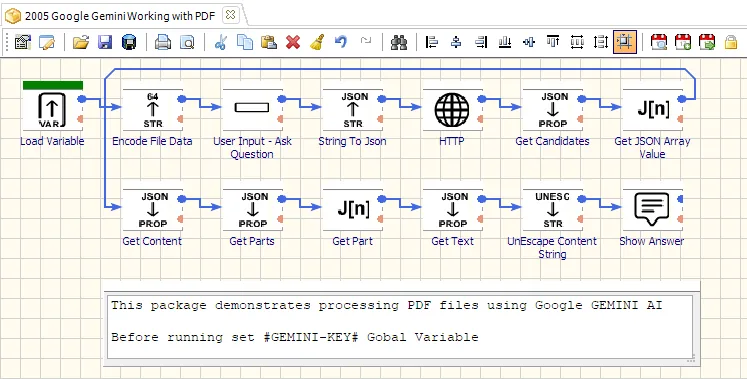
Shared benefits you should expect
- Faster delivery: less repeated work on common transformations and connectors.
- More consistency: same validation and error rules across projects.
- Lower defect rates: tested components are safer than fresh copy-paste logic.
- Easier onboarding: new team members reuse known patterns instead of guessing.
- Cleaner governance: component-level ownership and versioning are easier to audit.
How to implement reusable ETL components without creating a mess
- Identify repeated patterns in existing pipelines.
- Create one canonical component per pattern.
- Define input/output contracts clearly.
- Add logging and failure behavior inside the component.
- Version the component and publish usage notes.
- Refactor old jobs gradually, not all at once.
Rule of thumb: if a step appears in three pipelines, it should probably be a reusable object.
Component contracts matter more than component count
Most teams over-focus on creating many components. The better goal is stable contracts: predictable inputs, outputs, null handling, and error codes. Fewer high-quality components beat dozens of vague ones.
Treat reusable components as products, not snippets
Assign ownership, release notes, and basic compatibility rules. A reusable component used by six pipelines is a production dependency. Manage it accordingly.
One story from real projects
A typical path we see is simple: one team buys a single licence for one urgent integration, then colleagues adopt the same reusable objects for their own jobs, and eventually the company moves to a site licence. Reusable ETL blocks spread quickly when they remove manual headaches.
Practical view
“Free” ETL setups with custom scripts can look cheap at first and expensive by month three. Reusable components with clear ownership usually cost less than constant patching and rewrites.
Related guides and references
Watch: reusable ETL objects in action
FAQ
What is a reusable ETL component?
A reusable ETL component is a prebuilt extract, transform, validate, or load block that can be used in multiple workflows with consistent behavior.
How many reusable components should a team build first?
Start with the top 3–5 repeated patterns in your pipelines. Prioritize quality and contracts over quantity.
Do reusable components slow down changes?
Usually the opposite. They speed up delivery once versioning and ownership are in place.
Can I use reusable ETL components without coding?
Yes. Visual ETL tools can package reusable objects with parameters, validation, and shared templates.