Introduction
Data integration plays a crucial role in modern organizations, enabling them to harness the power of their data for insightful decision-making. Traditionally, Extract, Transform, and Load (ETL) processes have been at the core of data integration. However, a new approach called Zero ETL is emerging, aiming to reshape how we integrate and use data in real-time. In this article, we will delve into the world of Zero ETL, exploring its significance, benefits, and impact on the future of data integration.
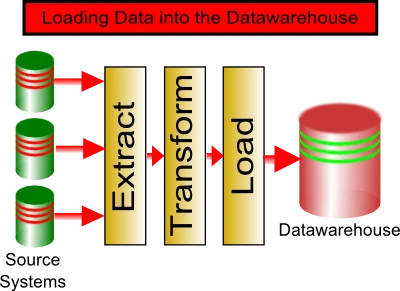
What does ETL stand for?
ETL stands for Extract, Transform, Load. It refers to the process of extracting data from various sources, transforming it into a consistent format, and loading it into a target database or data warehouse. ETL has been the go-to method for data integration for many years.
What does zero ETL mean?
Zero ETL represents a paradigm shift in data integration. It challenges the traditional ETL approach by minimizing or eliminating the need for extensive data extraction, transformation, and loading processes. Zero ETL focuses on providing real-time access to data, enabling organizations to analyze and act on information as it becomes available.
What is zero ETL: A new future of data integration?
Zero ETL signifies the future of data integration, where organizations can use data in real time without the complexities and delays associated with traditional ETL processes. By eliminating or minimizing the time-consuming data transformation and loading stages, zero ETL enables faster insights, improved agility, and enhanced decision-making.
Advantages of Zero ETL
- Real-time data availability: With zero ETL, organizations can access data in real-time, allowing for immediate analysis and decision-making based on the most up-to-date information.
- Reduced complexity and development time: By eliminating the extensive data transformation and loading processes, zero ETL reduces complexity, streamlines workflows, and accelerates time-to-insight.
- Improved agility and scalability: Zero ETL enables organizations to quickly adapt to changing business needs and scale their data integration processes reliably as data volumes grow.
- Enhanced data quality and consistency: By accessing data directly in its native format, zero ETL minimizes the risk of data inconsistencies and errors that can occur during the transformation process.
- Cost efficiency: Zero ETL reduces infrastructure costs by eliminating the need for dedicated ETL servers or extensive data processing resources.
Challenges of Zero ETL
- Real-time data synchronization: Ensuring that data from various sources remain synchronized in real-time can be complex, requiring robust data integration and synchronization mechanisms.
- Data governance and security: Real-time data access brings concerns regarding data governance, security, and privacy. Organizations must implement appropriate safeguards to protect sensitive data.
- Integration with legacy systems: Integrating real-time data sources with existing legacy systems can be challenging, as these systems may not be designed to handle continuous data streams.
- Data quality maintenance: While zero ETL reduces some data quality issues by accessing data in real-time, organizations still need to establish processes for monitoring and maintaining data quality.
- Skillset requirements: Zero ETL may require organizations to acquire or develop new skill sets within their teams to handle real-time data integration and analysis effectively.
Conclusion
Zero ETL is paving the way for a new era of data integration, enabling real-time access and analysis of data without the traditional complexities and delays of ETL processes. While ETL continues to be widely used, organizations are increasingly exploring the benefits of zero ETL and adopting it to gain faster insights